

Even the smallest bathroom can feel calm, practical, and spacious with the right layout. In many older terraces around Southampton and Portsmouth, the bathroom footprint is fixed and often compact. This means the real improvements come from clever planning and thoughtful installation rather than costly structural changes. Simple upgrades like switching from a bulky pedestal basin to a sleek vanity unit, choosing wall-hung WCs to free up floor space, or installing slimline furniture can make a big difference. With smart storage solutions and careful space planning, even tight bathrooms can become comfortable, clutter-free spaces that work perfectly for your household needs.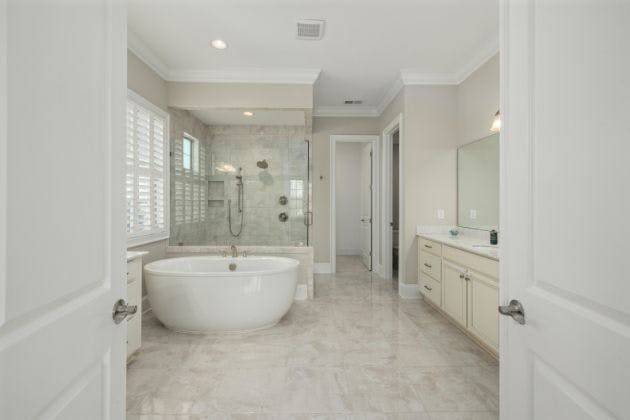
Quick wins that make a big difference to the layout
Before you start moving walls or pipework, there are a few simple swaps that can instantly free up space and storage. These changes often work within the existing layout, which keeps disruption and costs down.
Swap a pedestal basin for a vanity unit: You gain hidden storage for toiletries and cleaning products, while concealing pipework for a neater finish.
Choose a compact or corner basin: Shallow front-to-back basins reduce how far the unit sticks into the room and ease movement past doors and WCs.
Use a mirrored cabinet instead of a flat mirror: Wall space does double duty, giving eye-level storage without eating into the floor area.
Wall-hung WCs and vanity units are popular in tight bathrooms because they reveal more visible floor, which makes the room feel bigger. They do, however, need solid fixing points and space to conceal frames and cisterns, so planning with your fitter is essential.
Slimline furniture, such as reduced-depth vanity units and tallboys, can provide useful storage along a narrow wall without creating a cramped corridor. Focus on units with drawers or well-planned shelving so you can reach items easily without everything tumbling out.
Choosing between a bath and a shower
In smaller bathrooms, the bath versus shower decision has a big impact on layout. It is not just about cost or style; think about how you actually use the room and who uses it.
Household needs and routines
Families with young children often benefit from keeping a bath, even if it is a shorter model. If you rarely take baths and prefer quick showers, a generous walk-in shower can feel much more spacious and practical.
Consider guests and future buyers too. In many UK homes, having at least one bath somewhere in the property is still seen as a plus, but an awkward, cramped bath that no one uses is wasted space.
Water pressure, cleaning and accessibility
Your water pressure will influence what is realistic. Powerful rainfall heads need decent pressure, while some systems suit a pumped shower over the bath better than a large walk-in. A qualified installer can check this before you commit to a layout.
Showers are usually quicker to clean than a full bath, especially if you pair a simple tray with large-format tiles and minimal grout lines. For accessibility, low-profile trays and level access reduce trip hazards, and having controls at the entrance to the shower means you can turn it on without getting soaked.
Space planning rules that keep the room comfortable
Small bathrooms work best when clearances and circulation are respected. Ignoring these rules of thumb can leave you banging elbows or struggling to open doors properly.
Clearance around WC and basin
Try to keep comfortable knee space in front of the WC, ideally at least 600 mm of clear floor where possible. Squeezing the pan too close to side walls or basins can make it feel cramped and awkward to use.
In front of the basin, allow room to bend over and wash without hitting a towel rail or radiator. Compact basins help, but do not reduce things so far that water splashes everywhere.
Doors, towel rails and lighting
In many terrace bathrooms, the door opening can block vital space. If an inward-swinging door clashes with the basin or WC, consider an outward-opening door or a pocket door if the wall construction allows it. Your installer can advise on fire regulations and privacy considerations.
Towel rails should be easy to reach from the shower or bath without dripping across the whole room. Heated towel rails can double as your main radiator, but check that their output is sufficient for the space.
Good lighting is crucial in small rooms. Aim for a mix of a main ceiling light and task lighting around the mirror or cabinet. Warm, even light helps the room feel larger and more inviting, especially in bathrooms with tiny or no windows.
Planning an effective storage strategy
Storage in a compact bathroom is less about one big cupboard and more about lots of small, smart solutions. The goal is to keep everyday items within easy reach while keeping surfaces as clear as possible.
Recessed niches in shower areas or above baths are a neat way to store bottles without metal baskets hanging everywhere. They need to be carefully tanked and tiled to stay watertight, so discuss sizing and positioning before first fix plumbing starts.
Recessed shelving between studs can also work well on spare wall sections, as long as it does not clash with pipework or electrics. Over-bath shelves or bridging units can add storage without taking up more floor area, but keep them high enough that you can still move comfortably.
Always maintain access to isolation valves and concealed services. Built-in furniture and boxing can hide pipework beautifully, but your installer should incorporate access panels or removable sections so repairs do not mean ripping everything out.
Common mistakes to avoid in small bathrooms
Certain issues crop up again and again in compact bathrooms, particularly in older terraces where the original layout was never meant for modern fixtures.
Poor ventilation is a frequent problem. Without a decent extractor fan, moisture builds up, leading to mould, peeling paint and musty smells. A quiet, correctly sized fan, ideally on a timer or humidity sensor, will protect your new finishes and make the room more pleasant to use.
Insufficient lighting can make a small bathroom feel poky and gloomy. Relying on a single bare ceiling bulb often leaves the shower or mirror area in shadow. Discuss lighting circuits, mirror lights and possibly dimming options with your installer before tiling starts.
Awkward shower tray sizes can cause frustration later. Trays that are too small feel cramped, while those that are badly positioned can lead to leaks or cold spots underfoot. Getting the tray size and drain position right early on helps the rest of the layout fall into place.
Not planning tile cuts is another common oversight. In a tiny bathroom, poor tile alignment or slivers of tile at corners look messy and draw attention to awkward walls. A good fitter will set out tiles with the layout in mind, so that key lines fall neatly around niches, windows and furniture.
Getting expert help with a compact bathroom layout
In small bathrooms, especially in older Southampton and Portsmouth terraces, the difference between a cramped space and a comfortable one usually comes down to detailed planning. An experienced fitter can look at your existing pipework, structure and day-to-day needs and suggest layouts that work with your footprint rather than fighting against it.
If you are considering a new layout, upgrading storage or debating bath versus shower, T P Watts Plumbing Services Ltd can help you understand what is practical in your specific room. For an on-site survey and tailored advice, call 02380601566 or visit the Southampton and Portsmouth location pages on our website to arrange a convenient appointment.