

Steamed-up mirrors, black spots on grout and flaking paint are all signs your bathroom ventilation is struggling. With the right extractor fan setup and a few simple habits, you can keep moisture under control and protect your bathroom finishes for years to come.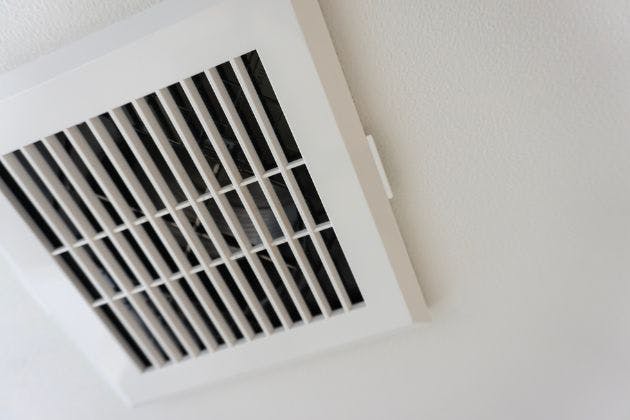
How bathroom ventilation protects your home
Every shower or bath releases a huge amount of warm, humid air. If that moisture is not removed quickly, it settles on cold surfaces such as ceilings, external walls and window frames. Over time, this encourages mould growth and damages finishes.
Good ventilation helps to:
Reduce condensation so ceilings, paintwork and plaster stay in better condition
Protect grout, sealant and silicone from black mould staining
Limit musty odours and keep the room smelling fresher
Lower the risk of damp patches spreading to nearby rooms or cupboards
If you are near the coast, such as in Southampton or Portsmouth, the naturally higher background humidity means your bathroom has to work even harder. In these homes, an effective extractor fan is not a luxury; it is essential.
Extractor fan basics every homeowner should understand
Most bathrooms use a mechanical extractor fan to pull moist air outside. While they look simple, the type of fan and how it is installed make a big difference to performance.
Intermittent fans and humidistat fans
Standard bathroom fans are usually intermittent, which means they only run when switched on. They may be wired to the light switch or to a separate pull cord. These work well if they are used for long enough after each shower.
Humidistat fans add a built-in humidity sensor. They will automatically start when the moisture level in the air rises and keep running until it drops back down. This is helpful in busy households, or where people forget to leave the fan running.
Timer overrun and effective run times
Many modern fans come with a timer overrun. When you switch the light off, the fan keeps running for a set period, usually between 5 and 30 minutes. This clears the remaining moisture after you leave the room.
Too short a timer means the fan cuts out before the condensation has gone. A competent installer can adjust the timer so it suits the size of your bathroom and how it is used.
Fan placement, zones and duct routes
Extractor fans are usually mounted on an external wall or ceiling, then ducted to an outside grille or roof vent. Positioning matters. A fan is generally more effective when it is away from the door and closer to the main source of steam, such as the shower.
Bathrooms are divided into zones based on how close fittings are to water. The fan chosen must be suitable for the zone it is installed in, particularly if it is above a bath or inside a shower enclosure. An experienced installer will match the fan specification and any transformers or isolators to the zone layout.
Ducting should be as short and straight as possible. Long, convoluted runs reduce airflow and make the fan noisier. A good setup includes a backdraft shutter so cold air and draughts do not blow back in when the fan is off.
Common extractor fan mistakes
Several frequent issues stop bathroom fans from doing their job properly. These include using an undersized fan that cannot move enough air for the room volume, or choosing a cheap model that is too noisy so people avoid using it.
Another serious problem is ducting that terminates in the loft instead of outside. This can dump moisture into roof insulation and timbers, leading to condensation and mould in the loft space. Poorly sealed duct joints and missing backdraft shutters are also common and reduce performance.
Simple checks to see if your ventilation is coping
You can spot the signs of inadequate bathroom ventilation with a quick look around. Persistent condensation that lingers more than 20 to 30 minutes after a shower suggests the fan is not removing moisture fast enough.
Other warning signs include peeling paint, swollen skirting boards, mould patches on ceilings or external corners and dark staining around window frames. If your fan is very noisy, weak when you hold a piece of tissue near it, or does not run on after switching off the light, it may be due for an upgrade or service.
Day-to-day habits that reduce moisture
Even the best extractor fan needs your help. Try to keep the bathroom door closed during showers to stop steam escaping into the landing and bedrooms. Open the window slightly if it is practical and safe to do so, especially in milder weather.
After using the shower or bath, leave the fan running for the full overrun period and keep the door slightly ajar once you leave, so drier air from the house can flow in. Hanging wet towels elsewhere to dry and avoiding leaving washing to air in the bathroom will also reduce background humidity.
Use the fan every time you shower or bathe
Wipe down very wet tiles or shower screens to speed up drying
Keep extractor grilles and covers free from dust build-up
Safety and compliance for bathroom electrics
Bathrooms mix water and electricity, so safety is critical. Fans must be installed using suitable cable routes, isolation switches and protective devices, and must comply with the relevant wiring regulations.
For this reason, extractor fans and any associated wiring should be installed and tested by a competent person with the right knowledge and equipment. Trying to wire a fan yourself, especially in a bathroom zone, risks electric shock, nuisance tripping and insurance issues if something goes wrong.
Planning ventilation as part of a bathroom refurb
Upgrading your fan is often easiest during a bathroom refit or refurbishment. At this stage it is simpler to run new cables, adjust switch positions and improve ducting routes before tiling and decorating are completed.
If you are redesigning your layout, you can plan the fan position in relation to the shower, bath and window, and choose a model that suits the new look of the room. It is also a good opportunity to check pipework and heating, and tie in any upgrades with your wider plumbing or heating improvements.
For coastal properties near Southampton or Portsmouth, factoring in local humidity and exposure can help ensure your new bathroom stays fresh, with the right level of extraction all year round.
Ready to tackle condensation and mould?
If your bathroom is struggling with lingering condensation, black mould or a fan that never seems to clear the air, it may be time to look at a better solution. A well planned extractor fan setup will protect your finishes, make cleaning easier and keep the room more comfortable for your family.
To discuss a bathroom survey or refurbishment and get practical advice on the right ventilation for your home, contact T P Watts Plumbing Services Ltd on 02380601566. The team can help you plan effective extraction as part of a wider upgrade, so your bathroom looks good and stays that way.