

If your radiators are hot at the top but stubbornly cold at the bottom, you’re not getting the full heat you’re paying for, which can leave rooms feeling chilly and your heating bills higher than they need to be. The good news is this common issue usually has clear causes, and there are several simple, safe checks you can try yourself before needing to call out a professional engineer. By understanding what to look for and how to address minor problems, you can often improve your heating’s efficiency quickly and keep your home cosy.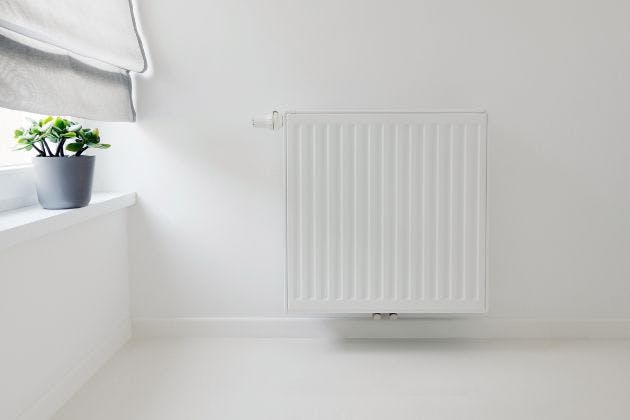
Quick symptom checker
Before reaching for the tools, take a moment to look at the bigger picture. This helps you work out whether there is a simple valve issue or a wider system problem such as sludge or poor circulation.
Walk around your home and check several radiators. Note which are affected and whether any are heating normally.
One or two radiators affected: often a valve, balancing or local blockage issue
Most radiators cold at the bottom: usually circulation or system sludge
Noisy pipes or gurgling: could suggest air or circulation problems
Boiler pressure low (often under 1 bar): may affect performance and needs attention
Boiler locking out or frequently resetting: stop DIY and call a professional
If you notice leaks, burning smells, tripped electrics or the boiler behaving erratically, do not attempt further DIY. Switch the system off and contact a Gas Safe registered engineer.
Common causes of radiators cold at the bottom
Radiators should warm fairly evenly from bottom to top once the system has been running for a while. When the bottom stays cold, it usually points to one of a few issues.
The most frequent culprit is sludge, also known as magnetite, which is a build-up of rust and debris that settles at the base of radiators. This acts like a blanket, stopping hot water from circulating properly.
Poor circulation can also result from an underperforming pump, partially closed valves or a poorly balanced system. In these cases, hot water simply does not flow through all parts of the heating system as it should.
Safe DIY checks you can try first
There are some simple checks homeowners can safely carry out. If at any point you feel unsure, stop and seek professional help. Never remove boiler covers or open anything that needs a tool to access.
1. Check TRVs and lockshield valves
Each radiator usually has two valves: a thermostatic radiator valve (TRV) or manual control on one side, and a lockshield valve on the other. Both need to be open enough to let water flow.
Make sure the TRV head is turned up to a higher setting and has not stuck in the closed position. If it feels loose or the pin underneath will not move, it may need professional attention rather than force.
On the lockshield side, remove the plastic cap if there is one and gently turn the spindle a quarter turn anticlockwise with an adjustable spanner or small valve key. Do not fully open every lockshield, as this can upset the balance of the system.
2. Gentle bleeding only if needed
Air usually causes radiators to be cold at the top, not the bottom. That said, trapped air can still affect overall circulation, so a quick check is useful.
Turn the heating off and let the system cool slightly. Use a radiator key on the bleed valve at the top of the radiator and open it very slightly, holding a cloth underneath.
If air hisses out then water follows, close the valve as soon as a steady trickle appears. Do not keep bleeding radiators repeatedly, as you can drop the system pressure too far and make things worse.
3. Check and safely top up boiler pressure
Most modern boilers work best around 1 to 1.5 bar when cold. If the pressure is well below this, your radiators may not heat properly.
Locate the pressure gauge on the front of the boiler or nearby pipework. If it is low and your manufacturer’s instructions say it is safe to do so, you can top up via the filling loop until it returns to the normal range.
Always close the filling valves fully afterwards and never exceed the recommended pressure. If the pressure keeps dropping or you are unsure how to top up safely, stop and call a Gas Safe engineer.
When it points to sludge and poor circulation
If several radiators are hot at the top and cold at the bottom, valves are open, pressure is correct and bleeding has not helped, sludge is very likely. This is especially common in older systems or where inhibitor has not been used.
You might also notice radiators taking a long time to heat, cool spots across the bottom, or dirty, black water when you bleed them. These are strong signs that a professional clean is required.
What a professional powerflush involves
A powerflush is a specialist cleaning process designed to remove magnetite sludge and debris from your central heating system. It connects a powerful pump and filtration unit to your pipework.
The engineer circulates cleaning chemicals through the system, reversing the flow direction and agitating radiators to shift stubborn deposits. Sludge and rust are captured in filters so they are not pushed into the boiler.
The system is then flushed through with clean water, and inhibitor is added to protect against future corrosion. A powerflush is usually recommended when multiple radiators are affected, new boilers are being fitted to older pipework, or there are recurring circulation problems.
Preventing the problem coming back
Once you have sorted cold-bottom radiators, it makes sense to protect your system so the issue does not return in a year or two. A few simple measures can extend the life of your boiler, pump and radiators.
Chemical inhibitor helps slow corrosion inside radiators and pipework. This should be checked and topped up whenever the system is drained or during a boiler service.
A magnetic filter, fitted on the return pipe near the boiler, captures magnetite before it reaches sensitive components. These filters need to be cleaned regularly, usually as part of an annual service.
Regular servicing of your boiler and heating system allows an engineer to spot circulation issues, sticking valves and early signs of sludge build-up. This is often much cheaper than waiting until radiators barely work or the boiler fails.
When to stop and call a professional
If you have checked valves, bled radiators carefully, confirmed the pressure and still have radiators cold at the bottom, it is time for expert help. Avoid taking pump casings off, removing boiler covers or attempting your own chemical flush.
A qualified heating engineer can test the pump, balance the system properly, inspect the boiler and advise whether powerflushing is appropriate. They can also install magnetic filters and dose inhibitor safely.
Book a heating health check or powerflushing consultation
If you are in doubt about the state of your heating system or suspect sludge is causing your radiators to be cold at the bottom, T P Watts Plumbing Services Ltd can help. We offer heating health checks, professional powerflushing and thorough boiler servicing to get your system running efficiently again.
To discuss your radiators or arrange a visit, call T P Watts Plumbing Services Ltd on 02380601566 and speak to a friendly member of the team.