

Choosing a heating engineer is a decision that affects your safety, comfort, and the long-term reliability of your boiler. Before you book, it’s important to follow a simple checklist to ensure you know exactly who you are letting into your home or rental property. This helps you avoid costly mistakes, ensures your heating system is correctly serviced or repaired, and gives you peace of mind that the job will be done safely and professionally. Taking the time to check qualifications, experience, and customer feedback will save you hassle down the line and keep your home warm all year round.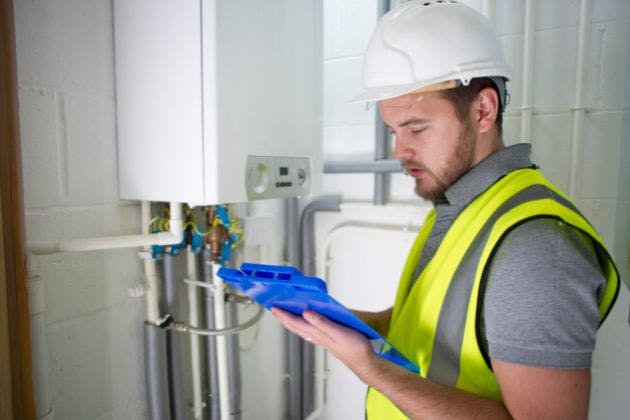
Check Gas Safe registration properly
Any engineer working on gas boilers, fires or cookers must be Gas Safe registered. This is a legal requirement, not a nice extra, and it is your main protection against unsafe work.
Do not rely on a logo on a van or website. Ask to see the engineer’s physical Gas Safe ID card when they arrive, and check the expiry date and the categories of work they are registered for, such as domestic gas boilers.
For extra reassurance, use the Gas Safe Register website to look up the engineer or company before you book. The details there should match what you have been given.
Ask for the engineer’s Gas Safe registration number
Check the ID card dates and that “domestic boilers” are listed
Verify the details on the official Gas Safe Register website
Confirm insurance and basic professionalism
A reputable heating engineer will carry public liability insurance to protect against accidental damage or injury. You are entitled to ask for proof of cover, especially as a landlord with legal responsibilities to tenants.
Pay attention to how they communicate before the job. Clear emails or messages, confirmations of appointments and a proper business address are good signs that you are dealing with an established professional rather than a casual sideline.
Look for relevant boiler and property experience
In and around Southampton there is a mix of Victorian terraces, 1930s semis and modern flats, and each type of property brings its own heating quirks. Older houses may have ageing pipework and restricted flue routes, while newer flats often have compact, high-efficiency combi boilers in tight cupboards.
Ask which boiler brands the engineer works on regularly, and whether they have experience with systems similar to yours. If you have a particular brand, such as Worcester Bosch, Vaillant or Ideal, check they are comfortable diagnosing and sourcing parts for that make.
For landlords with multiple properties, it helps to find an engineer used to working with a range of systems and access arrangements, including key collections and tenant appointments.
Understand what good diagnostics look like
A strong heating engineer will diagnose methodically rather than guessing or instantly pushing a full boiler replacement. They should start with questions about the fault, your system history and any recent work, then use tests rather than trial and error.
Expect to see a mixture of visual inspection, electrical testing, pressure checks and, where relevant, combustion analysis with a flue gas analyser. They should explain in plain language what they are testing and what the results suggest.
If an engineer jumps straight to “you need a new boiler” within minutes, without testing or checking the basics, treat that as a warning sign and consider a second opinion.
How service and repair reports should be documented
Good documentation protects you, provides a maintenance history and is essential for landlords who must demonstrate that checks have been carried out. After a boiler service or repair, you should expect a written or digital report.
This ought to include the boiler make and model, the checks performed, test results (including flue gas measurements where applicable), any parts replaced and any advisory notes. Landlord gas safety records have specific legal requirements and must be completed correctly and legibly.
An engineer who is casual or vague about paperwork may be just as casual about the work itself. Keep copies of all reports for future reference and for your records if you sell or let the property.
Key questions to ask before you book
Availability and response approach
Check how soon they can attend and how they handle urgent breakdowns, especially in winter or if you have vulnerable occupants. Ask whether they offer time windows, and how they communicate if they are running late.
For landlords, it is helpful to know whether the engineer can liaise directly with tenants, and how they confirm access and appointment times.
Parts sourcing and manufacturer support
Ask how they source parts and whether they use genuine or approved components. A well-connected engineer will have accounts with reputable merchants and will know which parts are readily available for your boiler model.
It is worth checking how they handle rare or obsolete parts. A good answer might involve checking availability before recommending replacement, and being honest about long-term support for very old boilers.
Testing of flues and combustion
Safe combustion and flue performance are critical. Your engineer should be able to explain how they check these, for example by using a calibrated flue gas analyser, inspecting the flue route and terminals, and checking ventilation where needed.
If they struggle to describe their testing process or talk only about “having a look” without mentioning proper instruments, treat that as a concern.
Aftercare and follow-up
Good aftercare includes explaining what has been done, any user controls you should know about, and what to watch out for after the visit. Ask about their approach if the same fault reappears shortly after a repair.
It is reasonable to expect clear communication, access to your paperwork and advice on when to book your next service, especially if your boiler is under manufacturer warranty.
Warning signs of poor practice
There are some behaviours that should make you think twice about going ahead. These usually show up early, during your first contact or at the initial visit.
Be cautious if you encounter any of the following:
Pressure selling of a new boiler without proper testing
Vague or verbal-only quotes with no written breakdown of work
Unwillingness to show Gas Safe ID or provide registration details
No paperwork offered after service or repair work
If something feels off, you are under no obligation to proceed. You are entitled to clear information and safe, compliant work.
Next steps: speak to a trusted local heating engineer
Using this checklist puts you in a strong position to choose a heating engineer who is safe, thorough and easy to deal with. It also helps you avoid rushed decisions when your heating or hot water is not working.
For professional boiler servicing and repairs carried out to a high standard, you can contact T P Watts Plumbing Services Ltd on 02380601566. To learn more about their boiler services and book an appointment online, visit the dedicated boiler servicing and boiler repairs pages.