

Planning a new bathroom is exciting, but it’s natural to feel nervous about how long the work will take and how much disruption it might cause. Knowing a realistic bathroom installation timeline helps you set clear expectations, compare quotes with confidence, and stay in control throughout the project. With a clear plan, you’ll understand each stage—from initial survey and ordering materials to the final handover—so you can prepare your home and minimise stress. This guide will walk you through what to expect step-by-step, making the process smoother and more manageable.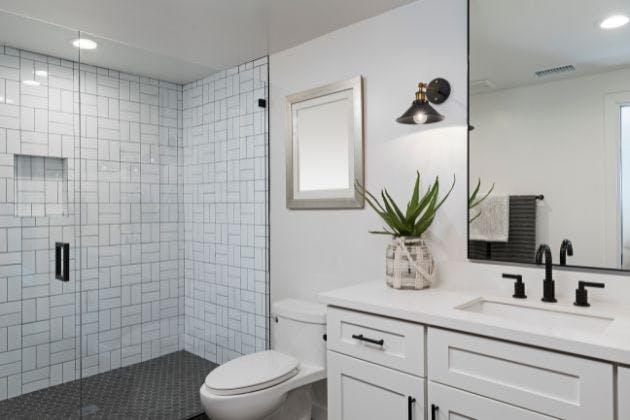
Overview of a typical bathroom installation
Every project is different, but a standard bathroom refit in a typical UK home often takes around 7 to 14 working days once work on site begins. Larger rooms, structural changes or major plumbing alterations can extend this.
A good fitter will explain the order of work, so you know what is happening each day. In areas like Southampton, Portsmouth and Basingstoke, timings can also be influenced by traffic and supplier lead times, so clear communication is key.
Step-by-step bathroom installation timeline
1. Survey, measuring and planning
The process usually starts with a home visit. Your fitter will measure the room, check existing pipework, electrics and ventilation, and talk through how you use the space.
This is your chance to discuss layout ideas, storage, accessibility and finishes. A thorough survey reduces surprises later and helps create a realistic schedule.
Confirm the layout and which items are staying or moving
Discuss any must-have features, such as a walk-in shower or underfloor heating
Flag any access issues, like narrow stairs or limited parking
Ask for a rough timescale and what might change it
2. Ordering and pre-start preparation
After the survey, your fitter will finalise the plan and order bathroom suites, tiles and materials. Depending on the supplier's stock, this can take from a few days to a few weeks.
Most reputable companies will not start on-site until key items have arrived, to avoid long gaps in the middle of your project. You will usually be given a firm start date and an estimated completion date at this stage.
3. Strip-out and initial protection
On day one, the existing bathroom is removed. This includes the old bath or shower, basin, toilet, tiles and sometimes plasterboard or damaged flooring.
Good installers protect access routes with dust sheets and clear rubbish regularly. In a home with only one bathroom, they may plan the strip-out so that at least a toilet is back in use as soon as possible.
4. First-fix plumbing and electrics
Next, the plumber and electrician will position or reroute pipework and cables for the new layout. This is called first-fix, and it all happens before the walls and floors are finished.
Moving waste pipes, especially for toilets, can add time because it may involve lifting floors or working on soil pipes. This stage is critical to avoid leaks and drainage issues later.
5. Carpentry, walls and floor preparation
Once services are in place, the installer prepares the room for tiling and fitting. This can include replacing damaged floorboards, levelling the floor, or fitting new stud walls and niches.
Any rotten timbers uncovered at this point will need to be replaced, which can extend the schedule but protects your home in the long term.
6. Waterproofing and tiling
In shower areas and around baths, modern bathrooms often use waterproof boards and tanking systems to protect against leaks. This extra step adds resilience, especially in high-usage family bathrooms.
Tiling walls and floors usually takes several days, including cutting, fixing and grouting. Adhesives and grout must dry properly before you can walk on the floor or fit sanitaryware, so there will be quiet days where not much appears to change.
7. Second-fix: fitting the suite and controls
Once tiling is complete and dry, the new bath, shower tray, toilet, basin, taps and towel rail are fitted. Shower valves, controls and screens are also installed at this stage.
This is when the bathroom starts to look like the design you agreed. Careful alignment of fittings, especially in tiled rooms, takes time but gives a much better finish.
8. Sealing, testing and final touches
Silicone is applied around baths, shower trays, basins and worktops to keep water where it should be. A neat silicone job makes a real difference to the overall look and lifespan of your bathroom.
Your fitter should then test all plumbing, check for leaks, run the shower at temperature, and ensure everything drains correctly. Accessories such as mirrors, cabinets and toilet roll holders are usually fitted at this point.
9. Snagging and handover
A professional installer will walk you through the finished bathroom, checking you are happy with the work. Any small snags, such as a slightly loose handle or a bit of missed grout, should be noted and resolved quickly.
You should also be given advice on caring for your new bathroom and any relevant guarantees. This is a good time to raise any questions before the team fully signs off.
Factors that can change the timeline
Even with careful planning, some things can affect how long your bathroom takes. Moving waste pipes, for example, is more involved than simply swapping like-for-like fixtures.
Hidden issues such as leaks, rotten joists or crumbling plaster often only show up once the room is stripped out. Fixing these properly adds days but protects your home and your investment.
Drying times are another key factor. Adhesives, levelling compounds and grout all need time to cure, especially in cooler months. Rushing this step can lead to cracked tiles or movement later.
Access and parking around properties in Southampton, Portsmouth or Basingstoke can also have an impact, as can working in a home with just one bathroom where the fitter must plan temporary facilities and shorter water shut-offs.
Preparing your home for a smoother installation
You can help keep your project on schedule by preparing the space before work starts. Clear cupboards, window sills and any free-standing furniture from the bathroom and the nearby landing.
Ask your fitter how they protect the flooring and whether you should remove pictures or fragile items from the stairway or hallway. Agree on where tools and materials will be stored to minimise disruption.
It is also wise to confirm the likely times when water will need to be turned off and for how long. Discuss daily clean-down expectations so you know what level of tidying will happen each evening.
Checklist: questions to ask your bathroom fitter
Before the team arrives, a short conversation can avoid misunderstandings and help you compare installers fairly. Use these questions as a quick checklist.
What is the estimated start and finish date, and what could reasonably change that?
How will you manage water shut-offs, especially if we only have one bathroom?
Who will be on site each day, and who is my main point of contact?
How do you handle hidden problems like rotten floors or old pipework?
What daily clean-up and protection can we expect inside the house?
Planning your next steps
Understanding the stages of a bathroom installation and the factors that can affect timing puts you in a stronger position when comparing quotes. Look for a fitter who explains the process clearly and sets realistic expectations, rather than promising the fastest turnaround.
If you are in Southampton, Portsmouth or Basingstoke and would like a detailed, no-obligation survey for your new bathroom, contact T P Watts Plumbing Services Ltd on 02380601566. You can explore recent projects in our gallery, read what customers say on our reviews page, or find out more about our local services in Southampton, Portsmouth and Basingstoke before you book.